The lab is automated.
No one knows how to use it.

Glassfloor designs the training, curriculum, and partnerships that prepare organizations to operate automated lab systems at scale.

Book a Call
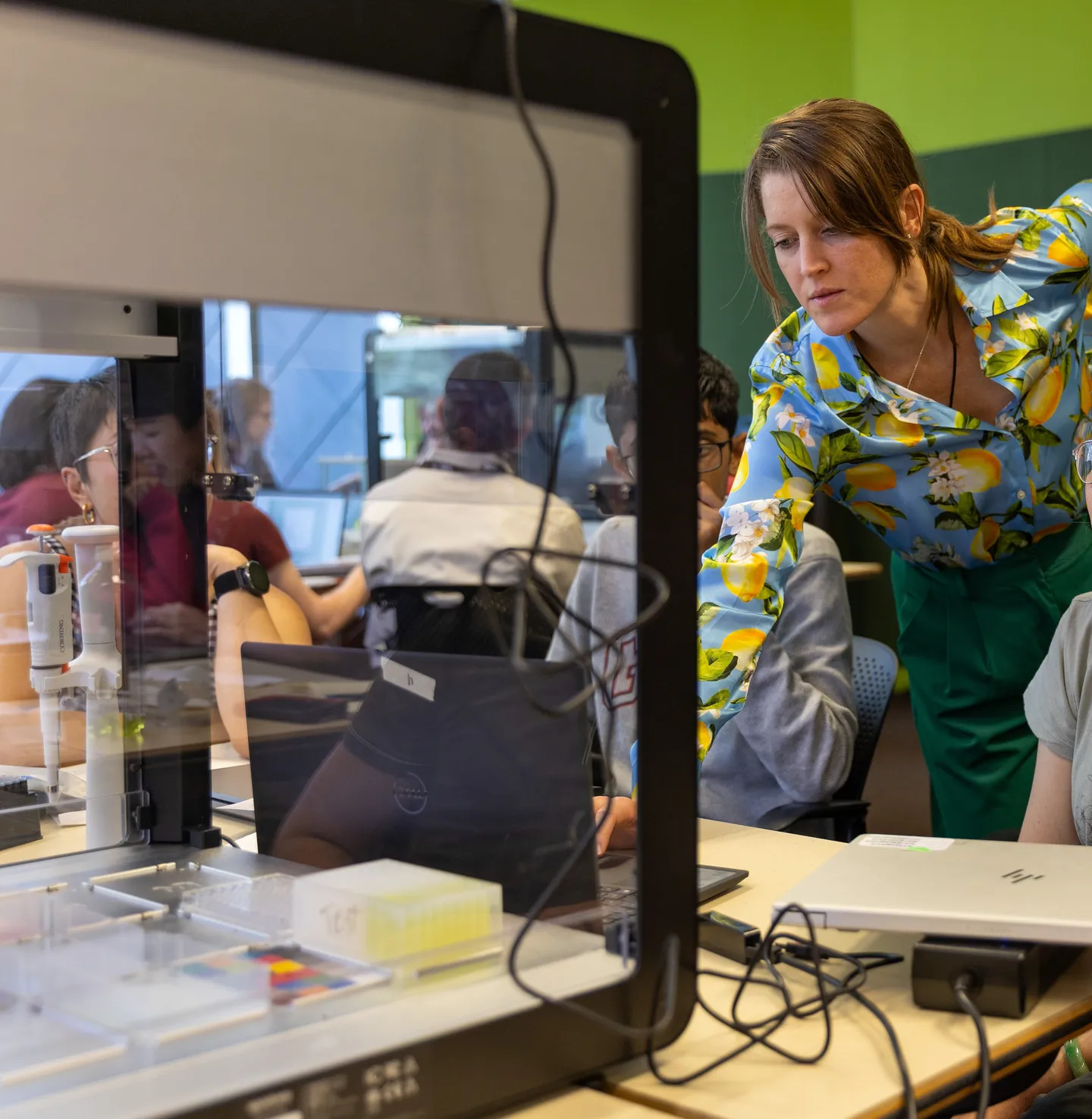
Kennedy McDaniel Bae working with students on lab automation equipment
5,500+students reached
38+educator partners
Dozensof institutions, worldwide

Lab automation is advancing faster than the workforce trained to run it. Organizations invest in robotics, liquid handlers, and AI-driven systems — then discover that the limiting factor isn't the technology. It's the people.

Training infrastructure hasn't kept pace. Curriculum is scarce, educators with hands-on automation experience are rare, and the institutional partnerships needed to build pipelines don't exist yet. The result: expensive equipment underutilized, adoption stalled, and a widening gap between what automation can do and what organizations can actually deliver.

Glassfloor builds what's missing.

Automation Workforce Strategy

Map the gap between your automation investment and your team's capability, then build the roadmap to close it.

Curriculum & Program Development

Build training programs that turn automation technology into operational competency.

Program Launch & Partnerships

Connect your program to the institutions, networks, and support it needs to launch.

Glassfloor works with organizations at the forefront of lab automation adoption: biotech and pharmaceutical companies building internal training programs, research institutions developing hands-on automation curriculum, industry associations designing professional development for their members, and federally-funded initiatives building the next generation of scientific workforce infrastructure.

What they share: significant investment in automation technology, and a recognition that the workforce to run it doesn't yet exist at the scale they need.

Opentrons Labworks

Opentrons builds automated liquid handlers used in labs around the world — but the next generation of lab scientists had never touched one.

Within six months of launch, the program reached over 1,000 students. By the end of 2026, that number will reach 5,500.

SLAS

SLAS needed an in-person bootcamp that could turn liquid handling theory into hands-on competency.

Co-developed and co-taught the course 3 times, each time refining the curriculum based on how participants actually engaged with the robots.

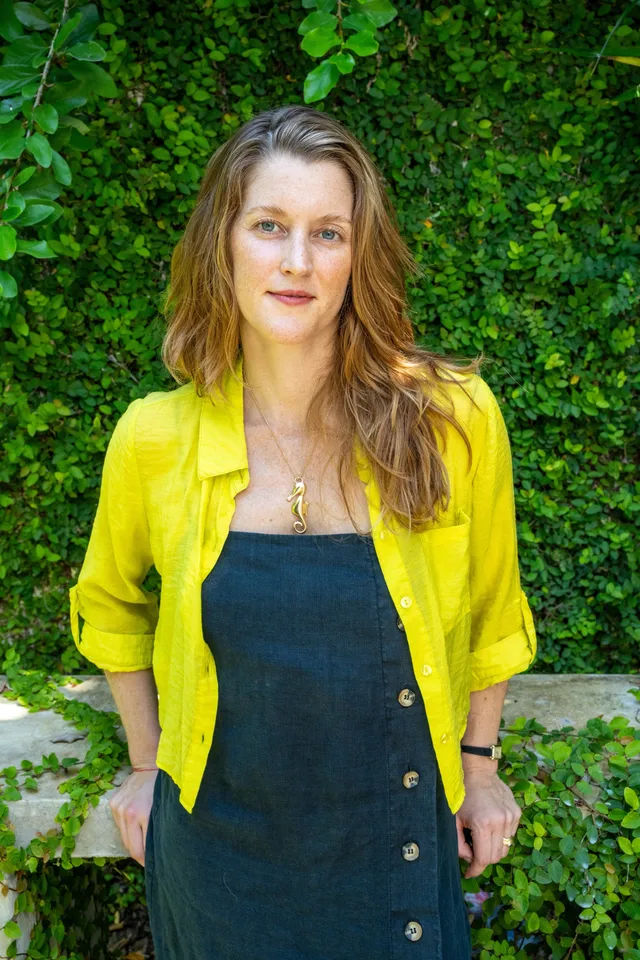
Kennedy McDaniel Bae trained as a biologist, and has built her career at the intersection of biology, hardware, and software. The through-line was always technology with the potential to lower the barriers to scientific innovation and impact.

The problem became clear early. Automation can only deliver on that potential when the people operating it actually know how to use it, and most don't. Too few training pathways exist, too few educators have hands-on experience with the systems, and the gap between where automation technology is and where the workforce is keeps widening.

Glassfloor is the response to that gap.

Kennedy has designed and launched workforce programs at organizations including Opentrons, CUNY's AI-BIOME program (an $18.1M NSF-funded initiative building AI-powered lab automation infrastructure), and SLAS, where she co-developed and co-taught the Liquid Handling Bootcamp. Across these engagements, her work has reached more than 5,500 students, 38+ educator partners, and dozens of organizations worldwide.

Kennedy McDaniel Bae

Work With Glassfloor

If your organization is ready to close the gap between its automation investment and its workforce capability, the first step is a conversation.

Book a Call

Upcoming

PanelUpcoming

Connecting People & Platforms: Addressing the Automation Talent Gap and Architecting a New Scientific Workforce

PanelistOctober 28, 2026Pennsylvania Convention Centre, Philadelphia